
Minnesota has plenty of opportunities for young people who want to do more with bass fishing than spend an occasional afternoon on the lake. High school fishing teams, youth tournament circuits, and private coaching programs give student anglers ways to develop their skills and compete.
For parents, however, figuring out where to begin isn’t always straightforward. Does your teenager need to join a school fishing team? Who provides the boat? Where can a serious young angler get individual instruction?
Here’s how competitive youth bass fishing works in Minnesota, along with resources for finding a team and opportunities for additional coaching.
High School Bass Fishing Teams in Minnesota
For most young tournament anglers, joining a school or community fishing team is the natural starting point.
Unlike traditional school sports, fishing teams are frequently organized as clubs with volunteer coaches, parents, and boat captains helping students participate.
Minnesota has several organizations that support competitive youth bass fishing.
Minnesota Junior B.A.S.S. Nation
Minnesota Junior B.A.S.S. Nation helps schools and communities establish youth fishing teams and provides competitive opportunities, including state championship events.
Its programs connect young anglers to the broader B.A.S.S. tournament system.
Student Angler Tournament Trail (SATT)
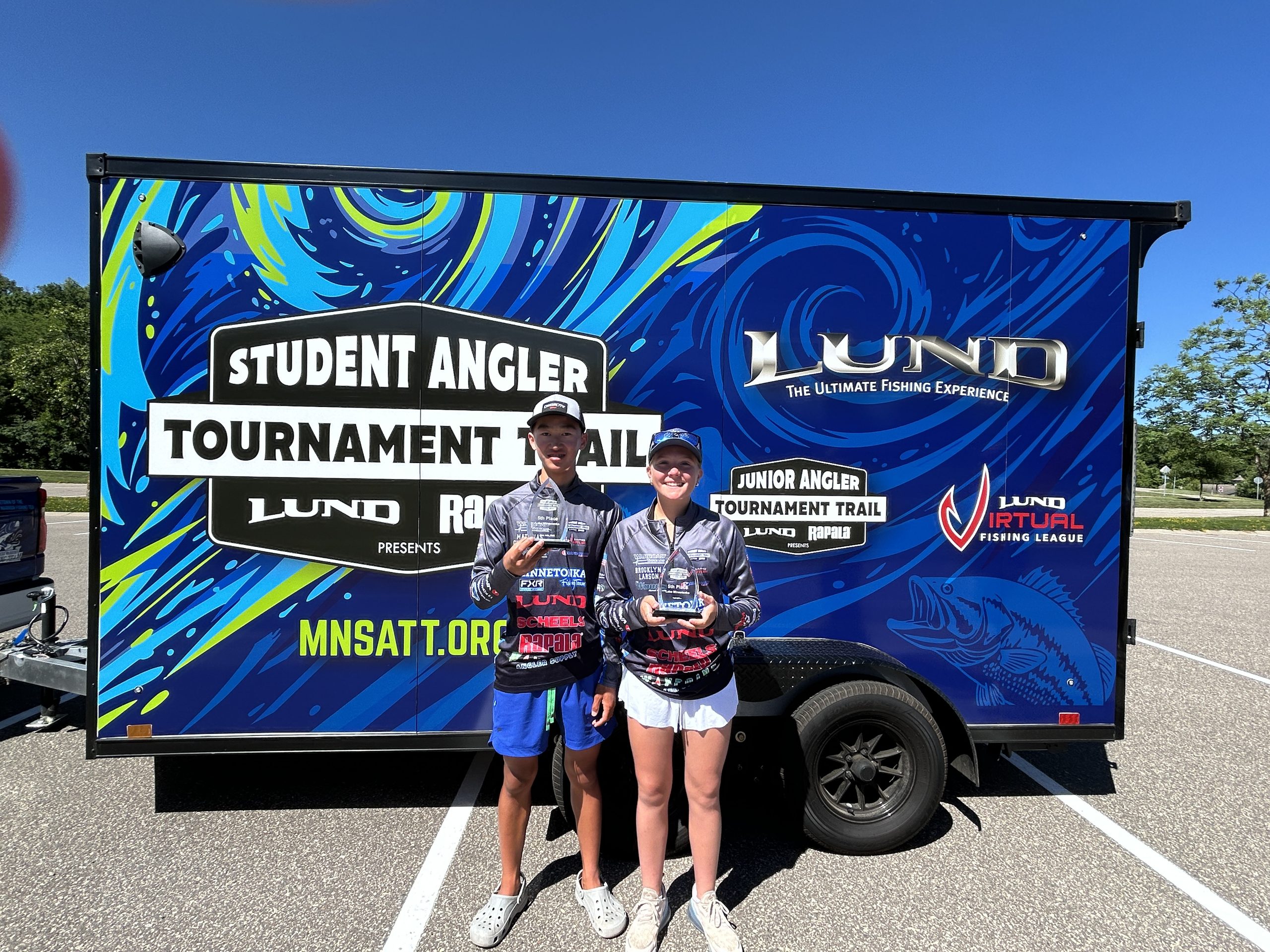
The Student Angler Tournament Trail organizes competitive events for Minnesota student anglers. Its tournaments provide opportunities to compete on lakes around the state and gain experience fishing under tournament conditions.
Many SATT events involve two student anglers fishing together with an adult boat captain. Students need to meet the organization’s membership and tournament registration requirements.
Other Youth Tournament Opportunities
The Minnesota Youth Fishing Organization also supports competitive youth fishing through organized events and developmental opportunities, including programs for younger anglers.
Eligibility, age limits, and tournament formats vary, so families should check each organization’s current requirements.
How to Find a Youth Fishing Team Near You
Start by asking your teenager’s school whether it has a fishing team or club. If it doesn’t, a neighboring community may have a program worth contacting.
Another resource is the free Minnesota Youth Fishing Team Directory, which allows families to search for teams by city or ZIP code.
Before joining, ask about the team’s practice schedule, tournament commitments, membership costs, and requirements for providing a boat captain.
Some teams have experienced anglers who provide regular instruction. Others concentrate more heavily on organizing tournaments and helping students participate.
Understanding what the team actually provides will help you decide whether your child would benefit from additional coaching.
What Skills Do Competitive High School Bass Anglers Need?
Catching fish is only part of becoming a successful tournament angler.
As students gain experience, they need to learn how to locate bass independently, select the right techniques, and adjust when conditions change.
Three areas are particularly important.
1. Finding Fish
Learning to find bass begins with understanding seasonal movements, structure, cover, water conditions, and available forage.
Students who understand these factors can approach unfamiliar water with a plan rather than relying on spots someone else has shown them.
2. Fishing Techniques and Electronics
Competitive anglers need more than an assortment of expensive rods and lures.
Casting accuracy, presentation control, boat positioning, and knowing when to change techniques all matter.
Modern electronics are another part of the learning process. Mapping, traditional sonar, side imaging, and forward-facing sonar can help anglers understand what is beneath the surface.
The goal is learning how to interpret that information and use it to make better fishing decisions.
3. Tournament Preparation and Decision-Making
Tournament fishing adds pressure and time constraints that aren’t always present during recreational fishing.
Students need to learn how to prepare for an event, develop a practice plan, manage their time, work with a partner, and make adjustments when their original plan isn’t producing fish.
Reviewing decisions after each tournament is another valuable part of improving.
Private Bass Fishing Coaching in Minnesota
For students who want more individualized instruction, private coaching can complement the experience they gain through their school fishing team.
A traditional guided trip generally focuses on helping customers catch fish during their time on the water. An instructional trip can certainly teach useful skills, but a structured coaching program has a different objective: helping the student develop abilities they can apply independently.
One Minnesota program specifically designed around this approach is Elite Angler Academy.
Elite Angler Academy — Twin Cities Metro
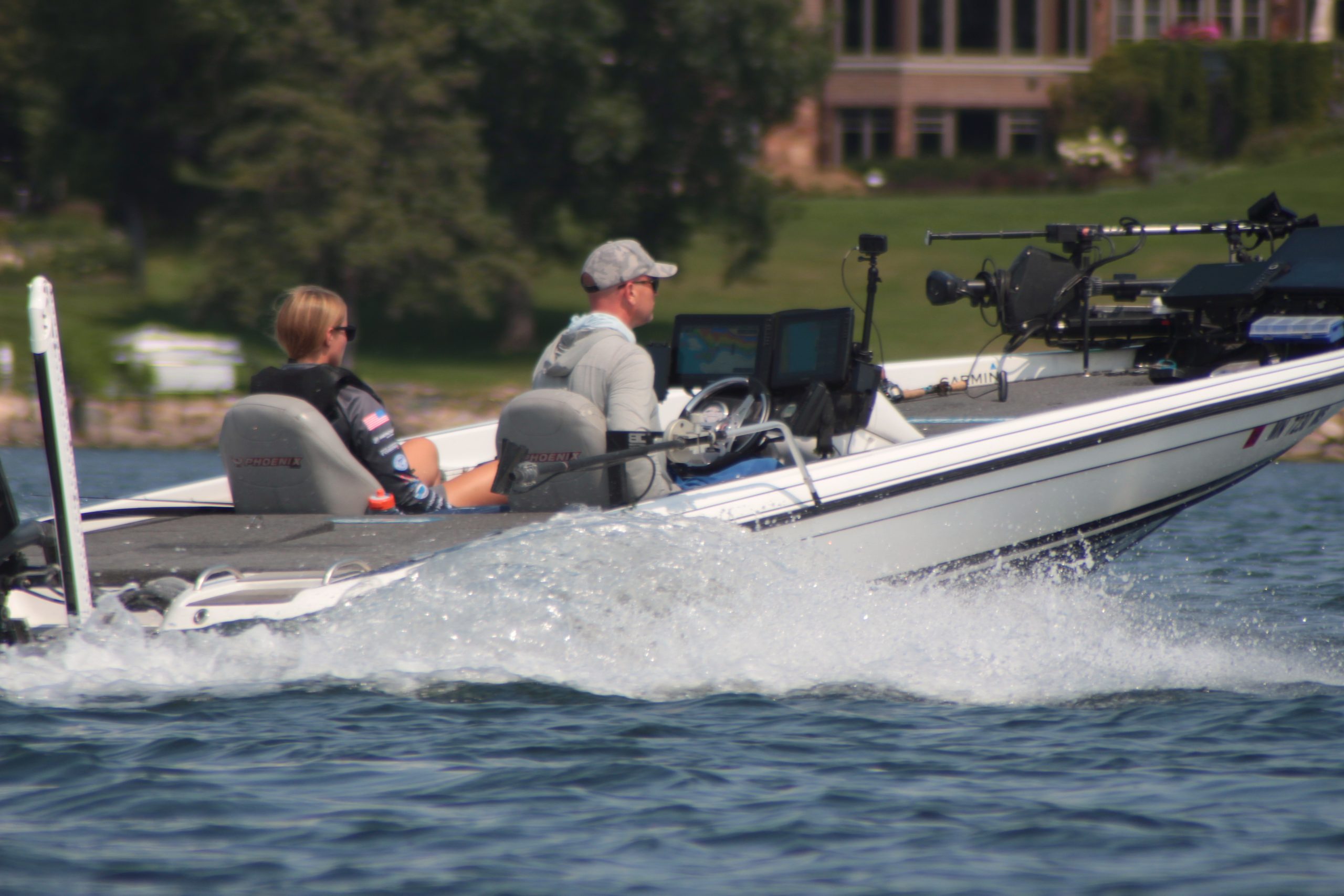
Elite Angler Academy (EAA) provides private, season-long bass fishing coaching for student anglers with competitive goals.
Founded by Minnesota tournament angler Matt Cunningham, the academy works with individual students and two-person angler teams.
Its coaching staff also includes Trevor Lo, a former Bassmaster College Series champion and experienced Minnesota fishing guide.
Rather than taking students to productive fishing spots, EAA focuses on teaching them how to locate fish, evaluate conditions, develop presentations, use electronics, and make their own decisions.
Instruction takes place on lakes throughout the Twin Cities metro area, including Lake Minnetonka, Waconia, Independence, Medicine, Bald Eagle, Forest, and Prior.
For 2027, EAA offers two coaching tracks:
- Full Track: Ten 2.5-hour on-water sessions from May through August, with additional tournament preparation and follow-up support. Published tuition is $4,950.
- Flex Track: Six 2.5-hour sessions from June through August, providing a shorter coaching commitment. Published tuition is $2,950.
Both tracks accommodate one or two student anglers under a single enrollment. Boat, fuel, and equipment use are included, and a parent or boat captain is welcome to attend.
The Full Track also includes an individualized Student Angler Assessment, helping students and parents understand areas of progress and priorities for continued development.
You can learn more about the coaches, curriculum, enrollment process, and current offerings on the Elite Angler Academy program and pricing page.
Private Coaching vs. High School Team Coaching
A private coach and a school fishing team serve different purposes, and one doesn’t necessarily replace the other.
A fishing team provides opportunities to compete, meet other anglers, develop friendships, and learn from experienced adults.
Private coaching offers the opportunity to focus more closely on one student’s specific strengths, weaknesses, and development goals.
Some students benefit from both: they develop skills through private instruction, practice between sessions, and apply what they’ve learned during their team’s tournaments.
Others may find that the mentorship available through their school team already meets their needs.
Questions to Ask Before Choosing a Fishing Coach
Whether you’re considering a private coach, an instructional guide trip, or your school’s fishing program, ask a few questions before committing:
- Will my teenager learn how to find fish independently, or primarily fish locations selected by the instructor?
- Does instruction cover electronics, casting, presentations, and tournament decision-making?
- Is there a plan for developing skills over multiple sessions?
- How does the coach assess progress and identify what to practice next?
- Can coaching accommodate a high school tournament partner and tournament schedule?
- What are the total costs, scheduling policies, and arrangements for parents and boat captains?
The right choice depends on the student’s experience, interests, and goals.
Helping Your Student Get Started
If your teenager is new to competitive bass fishing, begin by finding a local team and understanding the commitments involved.
The free Minnesota Parents Guide to Competitive Youth Fishing explains how teams and tournament organizations fit together, what families need to know about boats and captains, and how to prepare for a first season.
For families interested in additional instruction, explore local guides and dedicated coaching options to determine which approach best fits your student.
And if you’re interested in learning more about fishing across Minnesota, check out our guide to Lake Minnetonka fishing and our roundup of Minnesota bass fishing lakes.
Whether your teenager is entering their first tournament or looking to become a more competitive angler, Minnesota offers opportunities to learn, practice, and keep improving.